20130429-081544.jpg

This summer, I’m honored to have been asked to join the faculty for the North Texas Christian Writers upcoming Effective Storytelling Mentoring Workshops. I’ll be teaching fiction alongside my awesome writing friend, Henry McLaughlin, and another dozen amazing authors and writing professionals. The list includes founder Frank Ball, media guru Thomas Umstattd, Jr. and novelist Jim Pence among many others. And of course, my writing buddies Teri D. Jones and L.A. Freeland. Check out the full list and biographies here.

The format includes two full days of instruction, keynote addresses and hands on activities by the participants using their current work in progress. There’s also a writing contest, so check the rules out here.

If you’re in the DFW area and looking to make your writing stronger in any genre, come check out this year’s workshop. The dates are June 14-15, 2013 at Bethesda Community Church in Fort Worth, TX. Here’s the link for more information and registration.

Today, head over to my writing friend L.A. Freeland’s blog. I’m hanging out over there, and sharing my story about entering the Novel Rocket Launchpad Contest. Hope you guys enjoy!

Author in the Making

dart board

These past couple of weeks been a pretty crazy roller coaster ride. I entered the 2013 Pitch Madness Contest hosted by the amazing Brenda Drake, Shelley Watters, Sharon M. Johnson and Summer Heacock, and have been anxiously awaiting the results. My pitch, The Breakout, advanced to the second round, but not into the top 60 – the 60 pitches that 14 amazing agents would read and choose their favorites from. I was disappointed, of course, but then got an email a few days later that the Slush Zombies saved 4 pitches. And thanks to Shelley Watters and her fabulous Slush Zombie, mine was one of them!

So the agent picks went on for three agonizing days, but finally, the results came in last night. My pitch was selected by an awesome agent – the one I was hoping would pick mine!

Now the waiting begins again, but I wanted to thank all the Pitch Madness Teams for all their hard work, and of course, the fabulous Slush Zombies. Fingers crossed!

Inspiration for my day. Thought I’d share. Enjoy!

20130318-120740.jpg

What creative thing have you done today?

20130307-125845.jpg

I am not a car girl, but I love to watch BBC’s Top Gear. Yet, I don’t watch it for the expensive cars or races. I watch for the adventure that takes place every week. You never know where the hosts will end up – or what they’ll catch on fire. There’s always a story to be shown, whether in a Ferrari, in a Pinto or in a mini-van. That’s the beauty of the show – the creative story telling.

Our writing should be the same. We should always look for creative ways to show our stories, to show the conflict or journey of our characters. And from watching the show, I’ve learned a lot more about story telling than I have about cars.

Five Lessons I’ve Learned from Top Gear:

  1. Faster is Not Always Better – Our stories need time to percolate. Sometimes the first thought we have isn’t the most creative or isn’t the least predictable. When we strive to put out our best work, it takes more time, but our patience will be rewarded.
  2. Road Test Your Work Before You Send It Out – Critique partners, writers groups and beta readers are vital to making your story the best it can be before you send it out to agents or editors. You can get a feel for what’s working or what isn’t, and still have time to make changes.
  3. You Don’t Have to Know Everything About Writing to Be Successful – When there’s something you don’t know about writing your story, don’t be afraid to find out. Ask someone – a mentor or writing friend, writing books, conferences, blogs, online classes, etc. The list goes on and on with resources there to help you learn the ins and outs of writing and publishing.
  4. A Little Humor Can Liven Up Your Story – The BBC Top Gear hosts are so funny. You don’t know what they’ll say or do next, which is what makes the show so successful in my opinion. A little humor can lighten the tension, or may bring the reader into the story more, even help them identify with the characters.
  5. An Adventure in Fiction Can End Up in a Totally Different Place Than You Thought – When I start a story, it never turns out exactly as I planned. Like the show, it goes through ups and down, maybe a few fiery crashes – or a near dive off a cliff – before I find the best ending. So don’t be afraid to go on the journey, think of all the possibilities.

After all, isn’t that why we write fiction? To explore new ideas and stories, have some fun along the way?

What do you love most about fiction?

20130225-102844.jpg

I am very pleased to announce that my entry to the San Francisco Writers Conference Contest recently won best Children’s/YA novel. Participants entered the first 2,500 words of their novels to be judged by a panel of experts. Finalists in four categories were announced back in January, and the winners were announced at the conference. I’m honored to have been chosen.

Thank you to the all the contest judges, the SFWC organizers and the contest director.

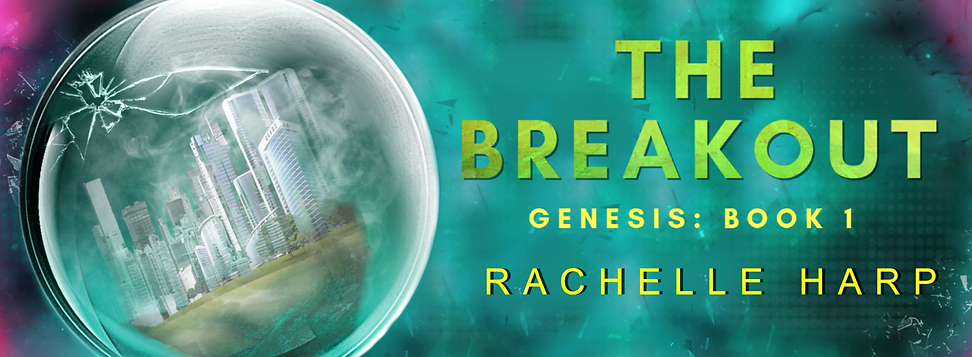
For more about The Breakout, click here.

And don’t forget to check out the other contest winners here.

If you’re interested in the competition, here is the website for the San Francisco Writers Conference.

20130222-105013.jpg

Ever find yourself stuck in your writing? Or you don’t know what to do next? Or maybe you’ve wondered how professionals will react to your work? Check out these websites and learn from some of the best:

  1. kidlit.com – Literary super agent Mary Kole blogs about what makes children’s fiction stand out from the pack. Her site is loaded with tips to hone your fiction and catch an agent’s attention.
  2. goinswriter.com – Jeff Goins blogs about writing, blogging and encourages aspiring writers. He challenges writers to be honest and not be afraid to write the truth. His tips on successful blogging are a must for anyone starting a blog.
  3. novelrocket.com – Novelist Gina Holmes, along with numerous other contributors, give fiction authors the tools they need to hone their craft and make their stories shine. Posts include tips and advice from literary agents, published authors and much, much more.
  4. advancedfictionwriting.com – Randy Ingermanson, known as the “Snowflake Guy,” gives tons of advice on how to write fiction, from concept to completed novel. His Snowflake Method is a great way to help you plan your novel and see it completed.
  5. writetodone.com – Mary Jaksch’s website has articles from hundreds of contributors, all with the focus of helping writers grow. From fiction to non-fiction, blogging to copywriting, she’s got it covered.
  6. killzoneauthors.blogspot.com – Thriller and mystery authors, including James Scott Bell, unite on this awesome site dedicated to those genres. Daily tips and insight into creation of thrillers and ideas, and everything else thriller/mystery related.
  7. margielawson.com – Margie Lawson uses her expertise in psychology to bring powerful emotion to writer’s stories. She offers online classes (very affordable) with other writers to help you hone your craft and deepen your words. Classes vary, but cover topics like emotion, body language and deep editing – just to name a few.
  8. literaryrambles.com – Casey McCormick and Natalie Aguirre interview literary agents and research the most recent information to help writers find the right agent for them. A great resource if you are on the hunt for an agent.
  9. queryshark.blogspot.com – Literary super agent Janet Reid critiques query letters online, giving her advice from years of experience of how to improve your query. You can read all submissions and her advice.

What writing websites have helped you on your writing journey?